
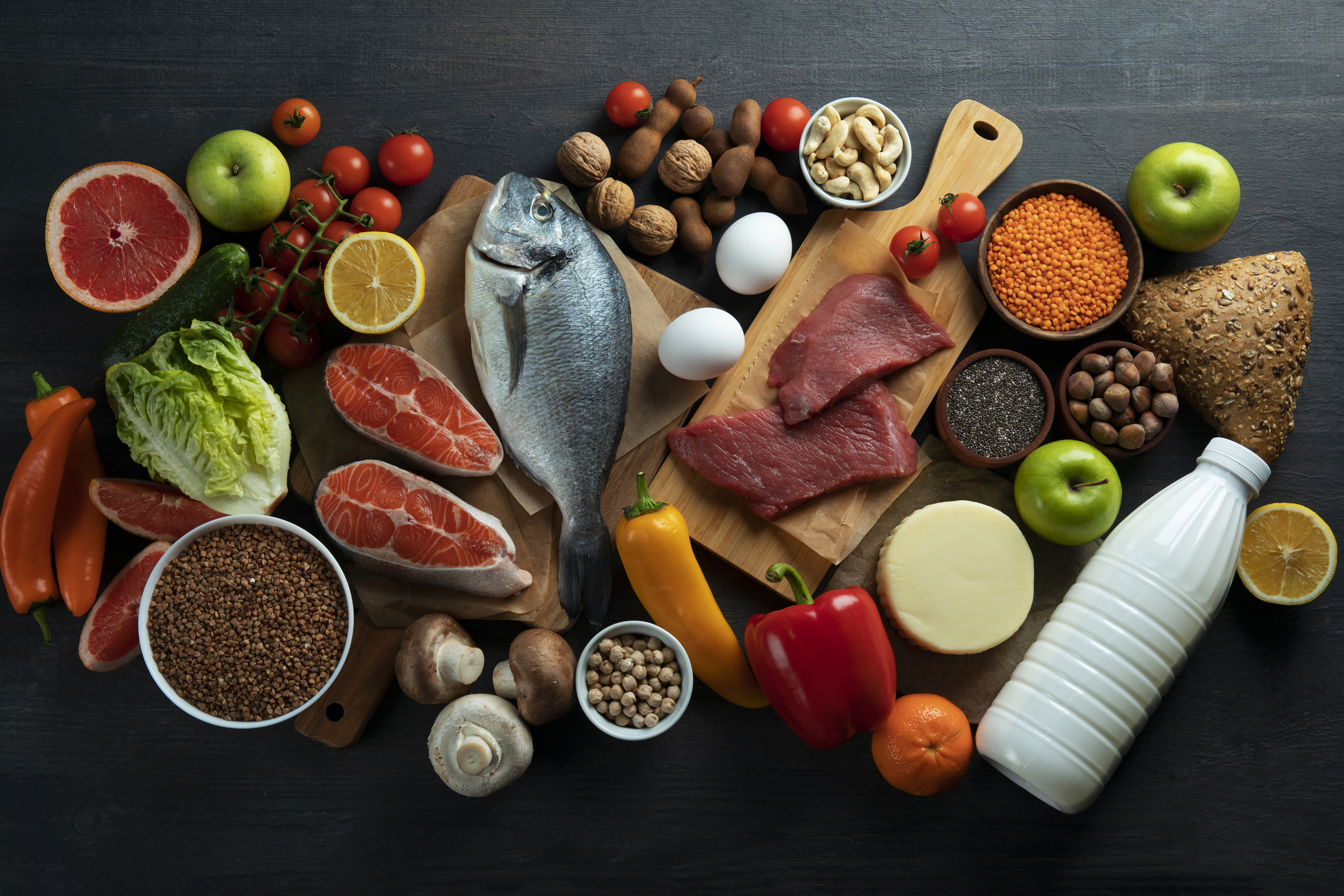
You hear it constantly: "You need more protein!" But which protein sources actually matter?
Most people rank protein by simple metrics: cost per gram, taste, convenience. But that misses the bigger picture.
The best protein isn't just about quantity—it's about bioavailability (how much your body actually uses), amino acid profile, satiety, cost, and practicality.
Let's rank the actual best protein sources by what matters: building muscle, losing fat, and staying healthy without overthinking it.
How We're Ranking Protein Sources
Before we dive into rankings, here's what makes one protein source better than another:
- PDCAAS/DIAAS Score: How digestible and complete the protein is (higher = better utilization)
- Leucine Content: The amino acid that directly triggers muscle protein synthesis
- Complete Amino Acid Profile: All 9 essential amino acids in proper ratios
- Satiety: How full it makes you (important for fat loss)
- Cost: Price per gram of usable protein
- Practical Value: Easy to prepare, shelf life, versatility
PDCAAS (Protein Digestibility-Corrected Amino Acid Score) and its newer replacement DIAAS measure how much of the protein your body can actually absorb and use. A score of 1.0 is perfect (your body uses 100% of it). Most whole foods score 0.85-1.0.
The Tier 1 Proteins (Use These, Period)
These are the gold standard. If you're serious about building muscle or losing fat, base your diet around these:
🥇 #1: Whey Protein Powder
DIAAS Score: 1.09 (Perfect)
Yes, it's a supplement. But scientifically, whey is unbeatable:
- Complete amino acid profile: All 9 essential amino acids
- High leucine content: ~11% of total amino acids (triggers muscle protein synthesis immediately)
- Fast absorption: Hits your muscles in 30-60 minutes
- Cost: ~$0.80-1.50 per 25g serving
- Practical: 90 seconds to mix, shelf-stable, versatile (shakes, oatmeal, yogurt)
Caveat: Not all whey is created equal. Look for:
- Isolate or concentrate (not "protein blend")
- Minimal additives
- Brands: Optimum Nutrition, Dymatize, MyProtein, Isopure
Best for: Post-workout, breakfast, between-meal snacks. Perfect for hitting 0.7-1g per lb bodyweight daily.
🥇 #2: Chicken Breast
PDCAAS Score: 1.0 (Perfect)
- 31g protein per 100g: One of the highest protein-to-calorie ratios in whole food
- Complete amino acids: All 9 essential
- Lean: Only 165 calories per 100g
- Cost: ~$1.50-3.00 per serving (varies by quality)
- Satiety: Extremely satiating—keeps you full for hours
Prep options: Grilled, baked, slow-cooked, shredded. Lasts 4-5 days in the fridge.
Best for: Lunch/dinner base. Build a meal around it: chicken + rice + vegetables.
🥇 #3: Eggs
PDCAAS Score: 1.0 (Perfect)
- 6g protein per egg: Highest quality protein per calorie in nature
- Complete amino profile: All essential amino acids in optimal ratios
- Choline: Supports brain health and liver function
- Cost: ~$0.25-0.40 per egg (~10¢ per gram)
- Practical: 3 minutes to cook, works in any meal
Pro tip: Egg whites are pure protein (17g per 100ml), but whole eggs are better—the yolk contains the majority of amino acids and micronutrients.
Best for: Breakfast, quick snacks, anytime. Build a habit of eating 2-3 eggs daily.
🥇 #4: Greek Yogurt
PDCAAS Score: 0.92 (Near-Perfect)
- 20g protein per 7oz serving: 2-3x normal yogurt
- Casein + Whey blend: Slow-absorbing casein (good for overnight) + fast whey
- Probiotics: Live cultures support digestive health
- Cost: ~$1.50-2.50 per serving
- Satiety: Very filling due to thickness and protein content
Buy plain, full-fat: Flavored yogurts have 15-20g added sugar. Mix your own with berries and honey.
Best for: Breakfast, snack, protein-rich dessert. Pairs well with granola and fruit.
Tier 2 Proteins (Excellent, Use Regularly)
Almost as good as Tier 1, but with minor drawbacks (cost, convenience, or slightly lower bioavailability):
🥈 #5: Salmon & Fatty Fish
PDCAAS Score: 0.94 | 25g protein per 100g
- Complete amino acids ✓
- Omega-3 fatty acids (anti-inflammatory, brain health)
- B vitamins and selenium
- Downside: Higher cost ($5-8 per serving), mercury concerns with too much (aim for 2-3x weekly)
Best for: 2-3 meals per week. Provides protein + brain health in one.
🥈 #6: Lean Beef
PDCAAS Score: 0.92 | 26g protein per 100g
- Complete amino acids ✓
- Creatine (supports muscle growth and brain function)
- Iron, B12, zinc
- Higher calories (~250 cal per 100g vs 165 for chicken)
- More expensive than chicken
Best for: 1-2x weekly. Use lean cuts: sirloin, tenderloin, 93/7 ground beef.
🥈 #7: Cottage Cheese
PDCAAS Score: 0.92 | 28g protein per 227g cup
- Pure casein protein (slow-digesting)
- Extremely satiating
- Great before bed (feeds muscles overnight)
- Low cost (~$1-2 per serving)
- Lower leucine than whey (slower muscle protein synthesis)
Best for: Bedtime snack or breakfast. Mix with berries and granola.
🥈 #8: Protein Powder (Casein or Blended)
DIAAS Score: 0.95-1.05 | 20-25g per serving
- Casein absorbs slowly (good for satiety, overnight feeding)
- Blended powders combine whey + casein (best of both)
- Cost: $1-2 per serving
- Great for time-pressed meals
Best for: Before bed or when you can't eat whole food.
Tier 3 Proteins (Good, But Incomplete)
These are solid options but lack one or more essential amino acids. Combine them with other sources:
🥉 #9: Legumes (Lentils, Beans, Chickpeas)
PDCAAS Score: 0.52-0.65 | 8-10g protein per cooked cup
- Low bioavailability (your body only absorbs ~50-65% of the protein)
- Incomplete amino acids (low in methionine)
- High fiber (great for digestion and satiety)
- Very cheap (~$0.50-1.00 per serving)
- Plant-based option
Pro tip: Combine legumes with grains (rice, wheat) to create complete amino acids. Example: beans + rice = complete protein.
Best for: Vegetarians, budget meals, fiber + satiety. Use as a side, not primary protein.
🥉 #10: Nuts & Seeds
PDCAAS Score: 0.40-0.70 | 6-8g per ounce
- Very low bioavailability
- Incomplete amino acids
- High in fat (calorie-dense—easy to overeat)
- Great for micronutrients and healthy fats
- Convenient snack
Reality: Almonds have 6g protein per ounce but are 160 calories. You'd need to eat 4+ ounces to get meaningful protein (~200 calories). Better to use for healthy fats, not as primary protein.
Best for: Snacks, micronutrient boost, not a protein base.
Tier 4: Proteins to Minimize
These are low-quality protein sources with significant drawbacks:
❌ Processed Meats (Deli meat, Hot dogs, Sausage)
- High sodium and preservatives
- Often high in saturated fat
- Inconsistent protein quality
- Associated with increased disease risk
Use sparingly: Maybe 1-2x per week max, not a primary protein source.
❌ Low-Quality Protein Powders
- Filled with sugar (15-30g per serving)
- Poor amino acid profiles
- Artificial sweeteners and additives
- False marketing ("muscle building")
Skip: Most "meal replacement" shakes and cheap powders. The extra $0.30 for quality is worth it.
The Practical Ranking (What You Should Actually Eat)
Forget the tiers. Here's what matters: What will you actually stick to?
| Priority Rank | Protein Source | Why | Daily Target |
|---|---|---|---|
| 1st | Chicken Breast | Perfect protein, lean, affordable, tastes good, easy to prep | 1-2 servings |
| 2nd | Eggs | Perfect amino acids, ultra cheap, 3 min prep, versatile | 2-3 eggs |
| 3rd | Whey Protein Powder | Perfect score, fills gaps, fast, convenient | 1 serving |
| 4th | Greek Yogurt | High protein, probiotics, satiating, breakfast-friendly | 1 serving |
| 5th | Lean Beef (2-3x/week) | Perfect protein, creatine, micronutrients, variety | 1 serving |
This combination gives you ~140-170g protein daily (for a 170 lb person) with minimal effort.
The Bottom Line: Stop Overthinking Protein
Most people waste time debating whey vs. casein, organic chicken vs. conventional, lean vs. fatty cuts.
Reality: If you're consistently hitting 0.7-1g per pound of bodyweight from any good source, you're winning.
The best protein source is the one you'll actually eat.
Pick 3-4 from Tier 1 + 2, rotate them, and stop thinking about it. Your muscles don't care if the protein came from a cage-free chicken or a conventional one. They just need the amino acids.
Use that mental energy on consistency, training, and sleep instead.
Quick Reference: Protein Per 100 Calories
- Whey Protein: ~30g
- Chicken Breast: ~19g
- Egg: ~8g (one large egg = ~78 cal)
- Greek Yogurt: ~28g (per 100 cal)
- Lean Beef: ~10g
- Salmon: ~8g
- Lentils (cooked): ~3g
- Almonds: ~2.5g
Simple rule: If a food has less than 3g protein per 100 calories, it's a terrible protein source.